
A Guide to EV Tire Buying and Maintenance
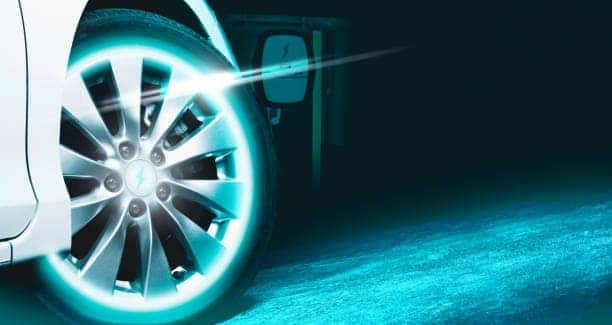
Electric vehicles’ recent surge in popularity can be attributed to many factors: a more eco-conscious world, more available charging options, etc.. But if we were to pinpoint any one reason, it would be increased range capacity. Early iterations of the EV were hamstrung by battery limitations, and the distance you could travel before needing to stop for a charge was subsequently limited. But today, the average range of EVs has expanded to anywhere from 250 – 500 miles.
As with traditional gas vehicles, countless variables can impact your car’s performance. When it comes to extending your EV’s range to its maximum, your tires actually play a huge part. EVs are most efficient when the car and its tires are operating harmoniously, so when shopping for tires for your EV, it’s essential that you keep their relationship in mind.
In this guide, Healdsburg Chevrolet helps maximize your range by explaining what you need to know about EV tires.
Switching From Your Original Tires: The Risks
It’s important to remember that the tires originally equipped on your electric vehicle were developed specifically for that car. EV manufacturers are well aware their vehicles have a unique set of needs, and the tires are designed to help optimize range without compromising performance.
That said, every car owner has their own preference when it comes to their vehicle’s accessories. To be clear, it’s perfectly okay to trade in for tires more to your liking. But you need to be aware of the performance-altering effects such a switch might trigger.
For example, you might understandably desire tires with better grip to enhance performance and braking. But this might lead to an increase in noise for what should be a near-silent driving experience. Furthermore, by abandoning the tires originally intended for the EV, you’re leaving the vehicle susceptible to factors like decreased range. Conversely, if you opt for tires with slow wear to extend range, your EV could suffer from a downswing in performance.
The right balance certainly exists and is attainable. But regardless of what alternate tires you select, you’ll always run the risk of unexpected issues when you deviate from the intended EV tires. If such issues arise or persist, get your tires checked out by our Service Department as soon as possible.
Watch Your Tires’ PSI
If you’ve ever had a gas-powered car, you’re likely aware that having low tire pressure can result in higher fuel consumption. This concept also carries over to electric vehicles. Even a slight drop in PSI can have a significant impact on your EV’s rolling resistance, which directly affects its range. That’s why EV owners often opt for low friction tires, as they reduce rolling resistance and improve range, efficiency, and sustainability as a result.
It’s also important to remember during colder winter months that the air pressure in your tires varies more significantly. Be sure to check the PSI levels of your car at least once per month during this winter stretch – and ideally more frequently than that. If you find your PSI levels to be consistently low, consider investing in a portable tire inflator that you can keep on hand at home.
Put a Charge in Your Life
Here at Healdsburg Chevrolet, we pride ourselves in being at the forefront of cutting edge Chevrolet electric vehicles such as the Bolt EV and Bolt EUV.
Whether you’re looking to join the EV revolution or are interested in our entire, comprehensive inventory of new and used vehicles, Healdsburg Chevy has everything you need to help you roll smoothly into 2024 and beyond.
0 comment(s) so far on A Guide to EV Tire Buying and Maintenance